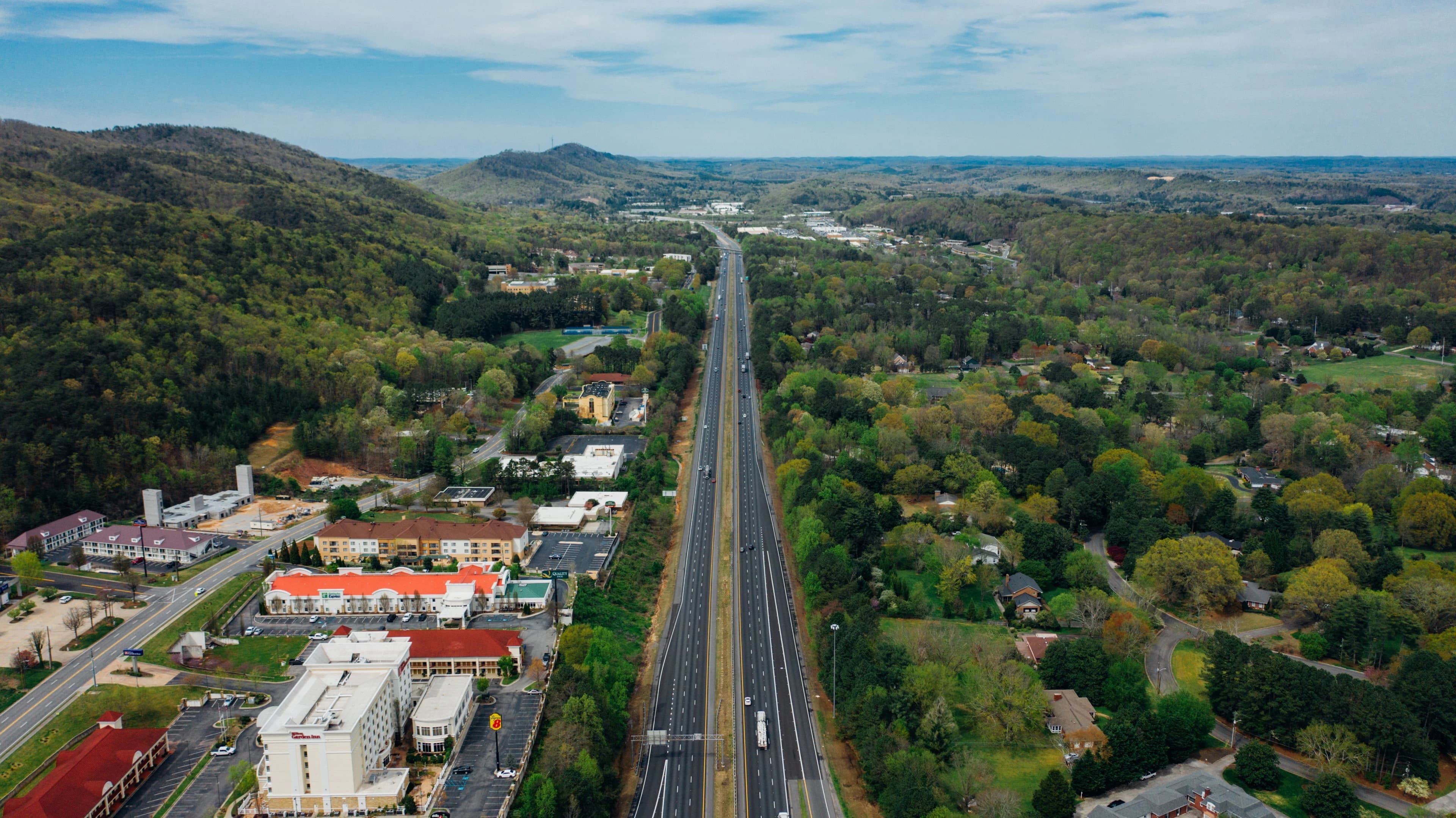

By March 15, three roadside cameras operated by Raleigh police had captured 14,828,580 license plates. During a shorter reporting period, those cameras produced 956 database alerts, including 227 stolen-vehicle alerts, but the state’s report did not say how many led to an arrest, rescue or vehicle recovery. NC General Assembly
Three cameras created more than 14.8 million records of passing vehicles in under eight months. NC General Assembly
The cameras work, but the default is too broad
Automatic license plate readers can alert police within seconds when they see a stolen vehicle or a car linked to a missing person. The State Bureau of Investigation documented cases in which the technology helped return an abducted child, locate an elderly woman stranded in freezing weather and identify suspects in serious crimes. NC General Assembly
Those successes support targeted use of the cameras. They do not justify keeping the movements of every innocent driver for three months.
Permanent surveillance needs permanent safeguards
North Carolina law allows plate records to be stored for up to 90 days. Agencies must adopt their own policies, but those rules can differ widely, and the required audits are reported only to the head of each agency. Data may also be shared with federal, state or local officers for a stated law-enforcement purpose. North Carolina General Assembly
The 2026 budget made highway cameras permanent and opened the program to agencies statewide. Yet its annual public reporting requirements cover only agency policies, the number of data requests and the number of cameras. They do not require agencies to disclose searches, false alerts, confirmed outcomes, misuse or disciplinary action. North Carolina General Assembly
A person driving to work, a doctor’s office, a religious service or a political meeting should not automatically leave behind a searchable 90-day travel history. Public roads are visible, but a statewide database that can retrace someone’s movements is a different level of government power.
Keep urgent alerts without stockpiling everyone’s movements
Police should still receive immediate alerts for stolen vehicles, felony suspects and missing or endangered people. Investigators should also be able to preserve older records when a judge finds probable cause, with an emergency exception when a person faces immediate danger.
North Carolina’s General Assembly should amend the plate-reader law to:
Delete records that produce no active alert within seven days, unless a judge authorizes longer preservation for a specific investigation.
Require every search to record the officer, case number, plate searched and stated purpose.
Publish yearly agency-level totals for scans, searches, confirmed alerts, arrests, rescues, recoveries, false alerts, outside data sharing and misuse findings.

No comments
No comments
Be the first to share your thoughts on this proposal! Start the conversation and lead the way.